01
Natural Sweetness
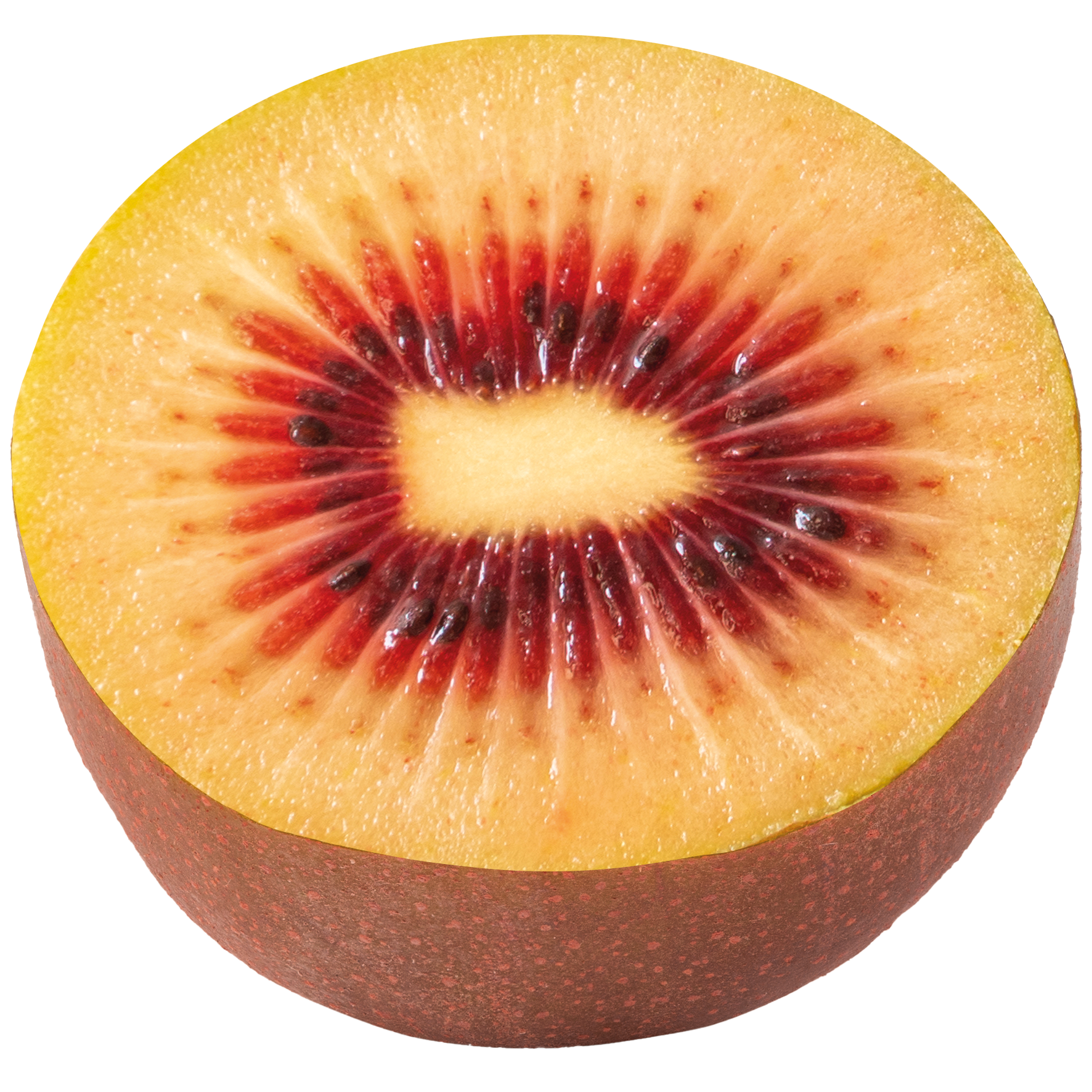
Kiupi’s smooth golden flesh has a naturally sweet, balanced flavour, complemented by its distinctive crimson centre.
No fuss needed — simply slice, scoop and savour.

What’s the best way to enjoy Kiupi Kiwis?
The quickest way to enjoy Kiupi Kiwis – cut in half and scoop it out!
Read ways to enjoy below.

WHY KIUPI?
Kiupi Kiwi® has it all — naturally sweet taste, a distinctive crimson centre and all its healthy goodness together in one fruit.
01
Kiupi’s smooth golden flesh has a naturally sweet, balanced flavour, complemented by its distinctive crimson centre.
No fuss needed — simply slice, scoop and savour.
02
Kiupi® contains vitamin C, an essential nutrient naturally found in kiwifruit and part of a varied, balanced diet.
03
Kiwifruit provides dietary fibre, making Kiupi® a deliciously simple way to add fruit to your everyday routine.
04
Kiupi’s golden flesh and crimson centre contain naturally occurring pigments and plant compounds found in colourful fruit.
HEALTH / EVERYDAY TIPS
Slice Kiupi over oats, cereal or yoghurt.
Pack a whole fruit and spoon for an easy fresh snack.
Pair fresh fruit with other nutritious foods as part of a balanced snack.
Use colourful fresh fruit to add natural sweetness to simple desserts.
Different-coloured fruit and vegetables contribute different nutrients and plant compounds.

HOW TO EAT KIUPI
Or Get CreativePeel and slice it for bowls, salads, drinks, desserts and more.
View Kiupi RecipesFAQ
Kiupi has a naturally sweet, smooth and balanced flavour, with subtle fruity notes and a distinctive red centre.
Firm: leave at room temperature to ripen. Ready: the fruit should give slightly when gently pressed. Ripe: refrigerate and enjoy soon.
Leave firm fruit at room temperature to ripen. Once it gives slightly when gently pressed, refrigerate it and enjoy soon.
Kiupi is grown and shared across leading kiwifruit regions around the world.
Explore availabilityBring its sweet flavour and brilliant colour to breakfasts, salads, snacks, drinks and desserts.
Explore Kiupi recipes →